
Degus are susceptible to disorders of glucose regulation and cataracts. Their insulin differs from that of many other mammals, but this does not mean that every degu is diabetic or that diet alone explains all cases. An appropriate daily diet should be high in fibre and low in readily available sugars.
Choose a high-fibre diet with a low level of non-structural carbohydrates; a figure of 30% should not be treated as a recommended sugar allowance. Sugar, starch and total carbohydrate are different measures and should not be used interchangeably.
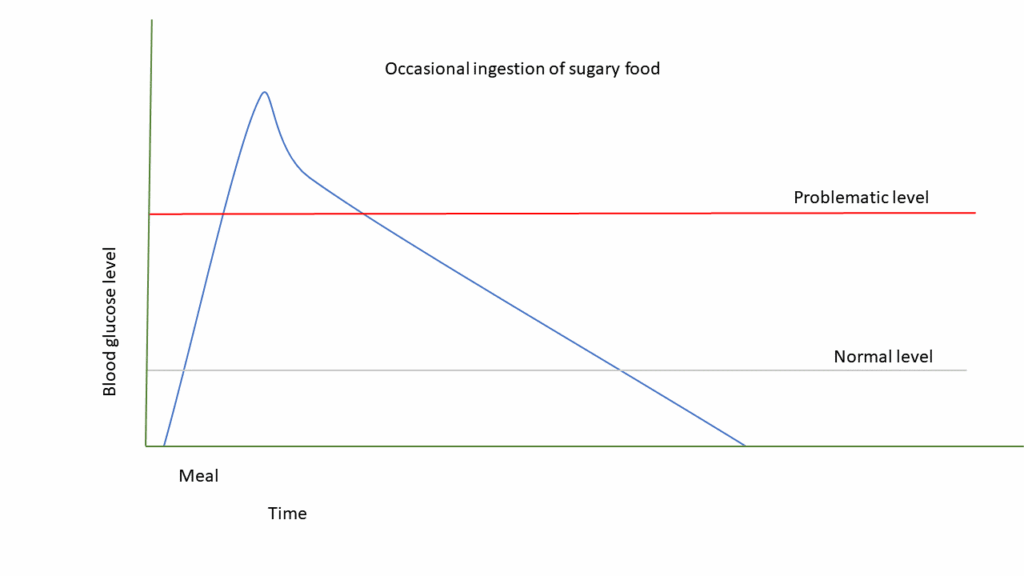
Occasional sugary foods
A small accidental mouthful does not inevitably cause diabetes. However, there is no universal waiting period or “safe exception” that guarantees normal glucose regulation in every degu. Choose suitable low-sugar rewards instead of deliberately offering sugary foods. This site recommends leaving fruit and most vegetables out of the routine diet, while favouring suitable leafy plants.
Edible plants, wood and treats for degus
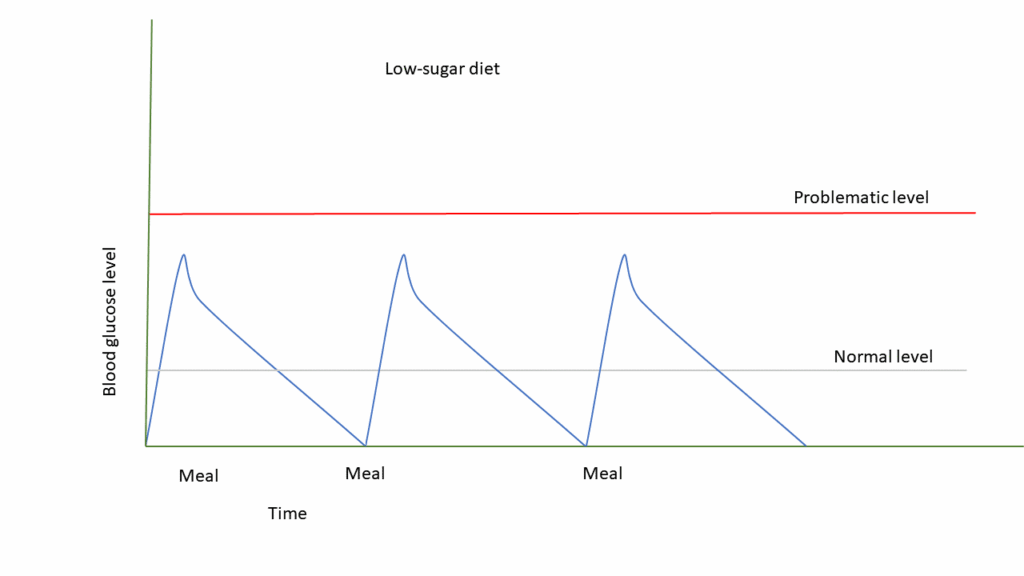
A low-sugar, fibre-rich diet
Suitable hay, carefully selected plants and an appropriately formulated ration support digestive, dental and metabolic health. Assess the complete diet rather than a single ingredient or label percentage. A low-sugar diet reduces avoidable dietary risk but cannot guarantee prevention of cataracts or diabetes.
Comparing food mixes for degus
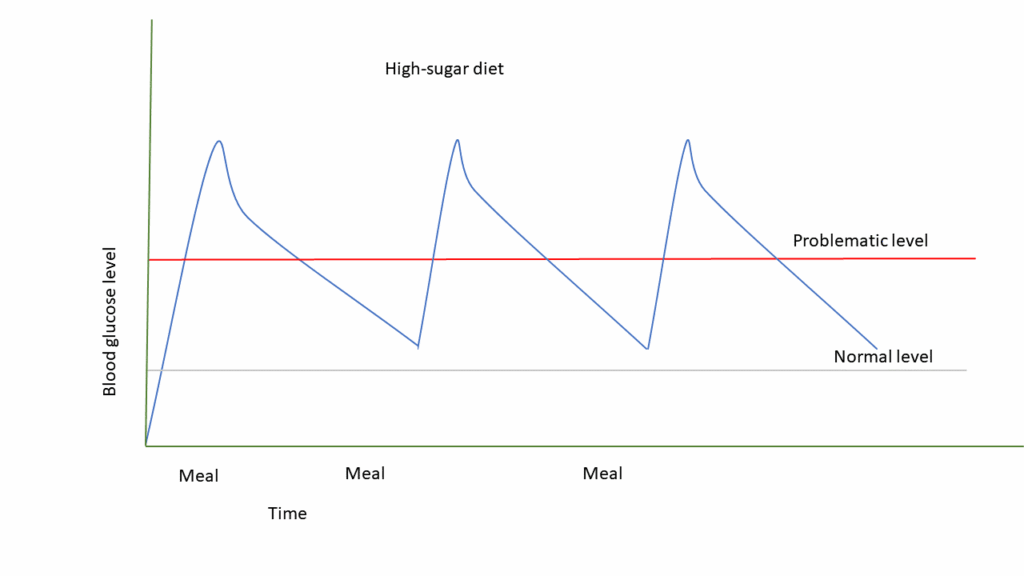
A high-sugar diet
Repeatedly feeding sugary foods is inappropriate for degus and may contribute to persistent glucose dysregulation and associated disease. Excessive thirst or urination, unexplained weight loss and eye changes warrant veterinary assessment. Cataracts alone do not prove diabetes; diagnosis requires appropriate tests.
Diabetes and cataracts in degus
Sources
Opazo, J. C., Soto-Gamboa, M. & Bozinovic, F. (2004). Blood glucose concentration in caviomorph rodents. Comparative Biochemistry and Physiology Part A: Molecular & Integrative Physiology, 137(1), 57-64. https://doi.org/10.1016/j.cbpb.2003.09.007
Ardiles, A. O., et al. (2013). Octodon degus (Molina 1782): a model in comparative biology and biomedicine. Cold Spring Harb Protoc, 2013(4), 312-318. https://doi.org/10.1101/pdb.emo071357
Brown, C. & Donnelly, T. M. (2001). Cataracts and reduced fertility in degus (Octodon degus). Contracts secondary to spontaneous diabetes mellitus. Lab Anim (NY), 30(6), 25-26. https://pubmed.ncbi.nlm.nih.gov/11395944/