
Degus are naturally lively and inquisitive, but individuals vary in confidence. Building trust takes patience, particularly with shy animals. Some members of a group may approach readily while others remain cautious. Work at each animal’s pace and allow it to choose whether to interact.
Help them become familiar with your presence
As prey animals, degus are alert to unfamiliar sounds and movements. After they arrive, give them time to settle. Move calmly near the cage, avoid sudden noise and sit nearby to observe them. A timid degu may retreat and alert its companions; do not pursue it or remove its hiding place to force contact.
Speak quietly and introduce ordinary household sounds gradually. For example, begin vacuuming in a distant room before working closer on later occasions. Keep music, television and radio at a comfortable volume and stop if the animals remain distressed. A predictable daily routine helps them recognise your voice and presence.
Build positive associations
Once they are comfortable with your presence, offer small, suitable food rewards. Approach slowly and let each degu take the food voluntarily. Initially, offering a treat through the bars may feel safer to a shy animal, but keep fingers clear of its teeth. Use part of the normal daily ration where possible rather than adding large quantities of treats.
Repeat short, calm interactions regularly. Talking while you offer food helps associate your voice with a predictable experience and can support recall training later.
Edible plants, wood and treats for degus
Offer food from your hand
When the animals approach confidently, offer a reward on a steady, open palm and let them collect it. Do not close your hand around them. Some degus progress quickly; others need many short sessions. Continue speaking calmly and allow them to retreat.
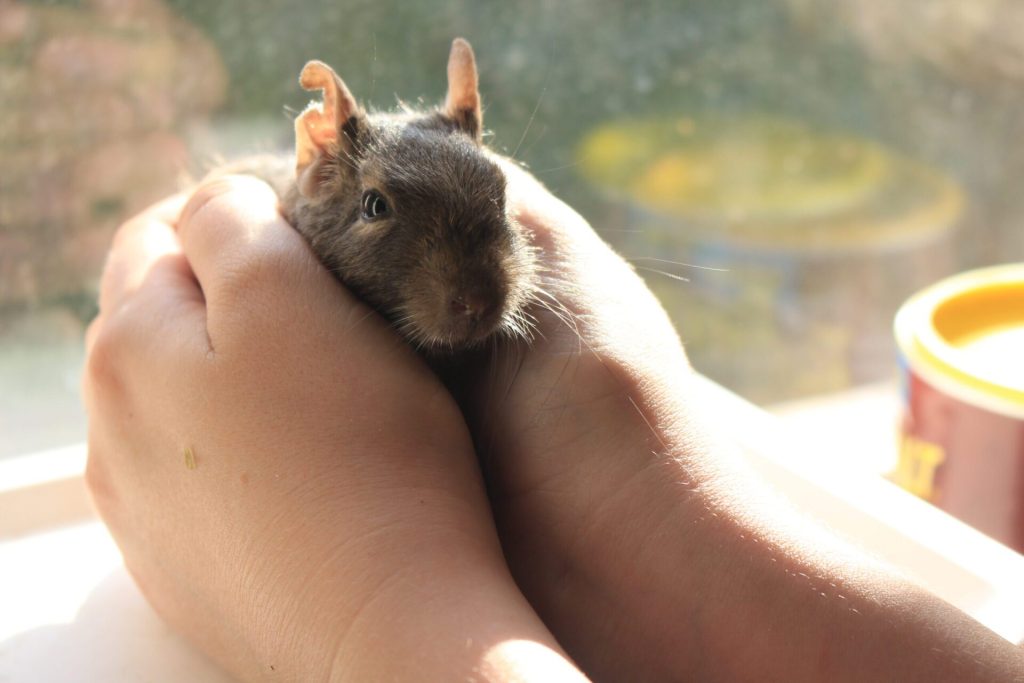
Let them explore a secure space
Prepare an escape-proof play area and remove electrical cables, toxic plants and other hazards. Open the cage and wait for them to emerge voluntarily. Stay in a familiar position and avoid sudden movements. They should be able to return to the cage whenever they choose.
You can place a reward nearby, then gradually encourage them towards your hand. Associate a consistent sound or word with food offered inside the cage to help them learn to return.
Introduce gentle handling
Offer a stable hand close to a safe surface and let the degu climb aboard. Begin with very brief contact, increasing the duration only while it remains relaxed. Support the body from below, avoid sudden lifting and never restrain it by the tail.
Catching and handling degus safely
Play and training
Suitable tunnels, foraging activities and other safe toys provide opportunities to explore together. Positive reinforcement can teach simple behaviours, such as turning around or returning on cue. Reward the behaviour you want and avoid punishment or forced contact.
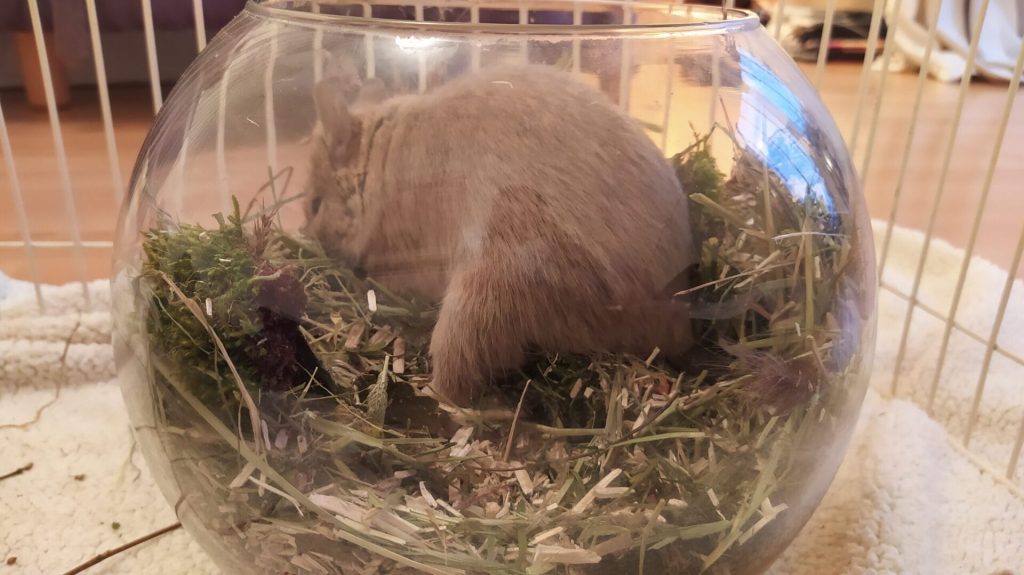

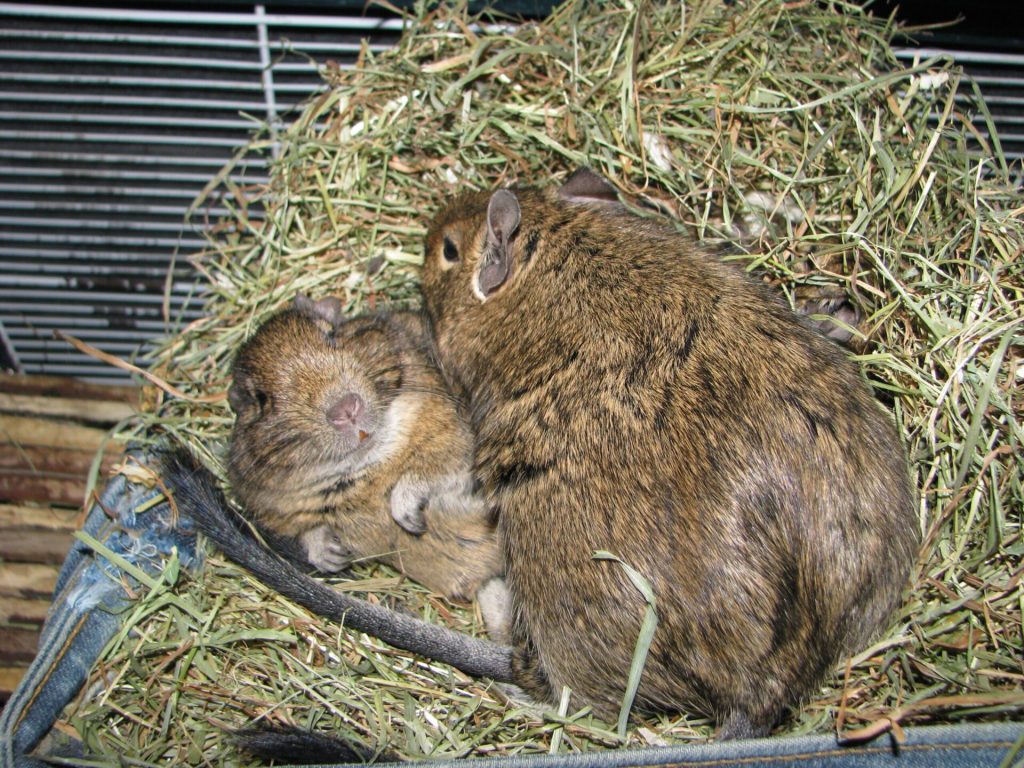
A relationship built on trust
Patience, consistency and respect for individual preferences are more useful than a fixed timetable. Some degus enjoy handling; others prefer to interact while keeping their feet on a familiar surface. Both can develop a trusting relationship with their caregivers.